The Municipality of Klina is projected to experience a continued population decline due to persistent outmigration, despite maintaining a positive natural population increase. The resident population is expected to decrease from 30,574 in 2025 to approximately 27,069 by 2033, while the total population originating from Klina, including the diaspora, is projected to reach approximately 49,178 people by 2033. At the same time, the urban population is expected to increase slightly to 5,969 residents, indicating gradual urban concentration. These demographic trends underline the need for strategic investments in economic development, infrastructure, and quality of life to retain residents and support sustainable local development.
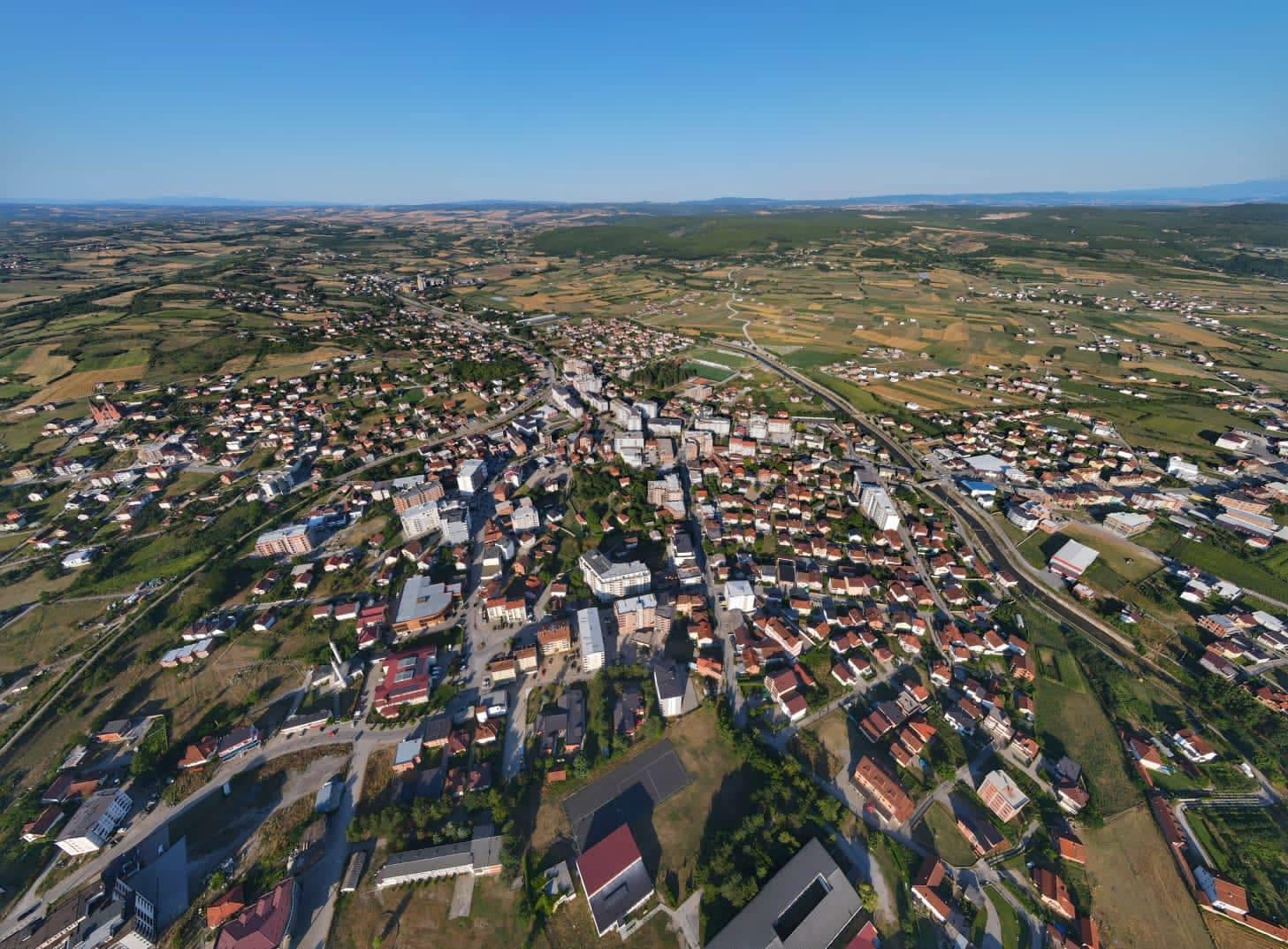
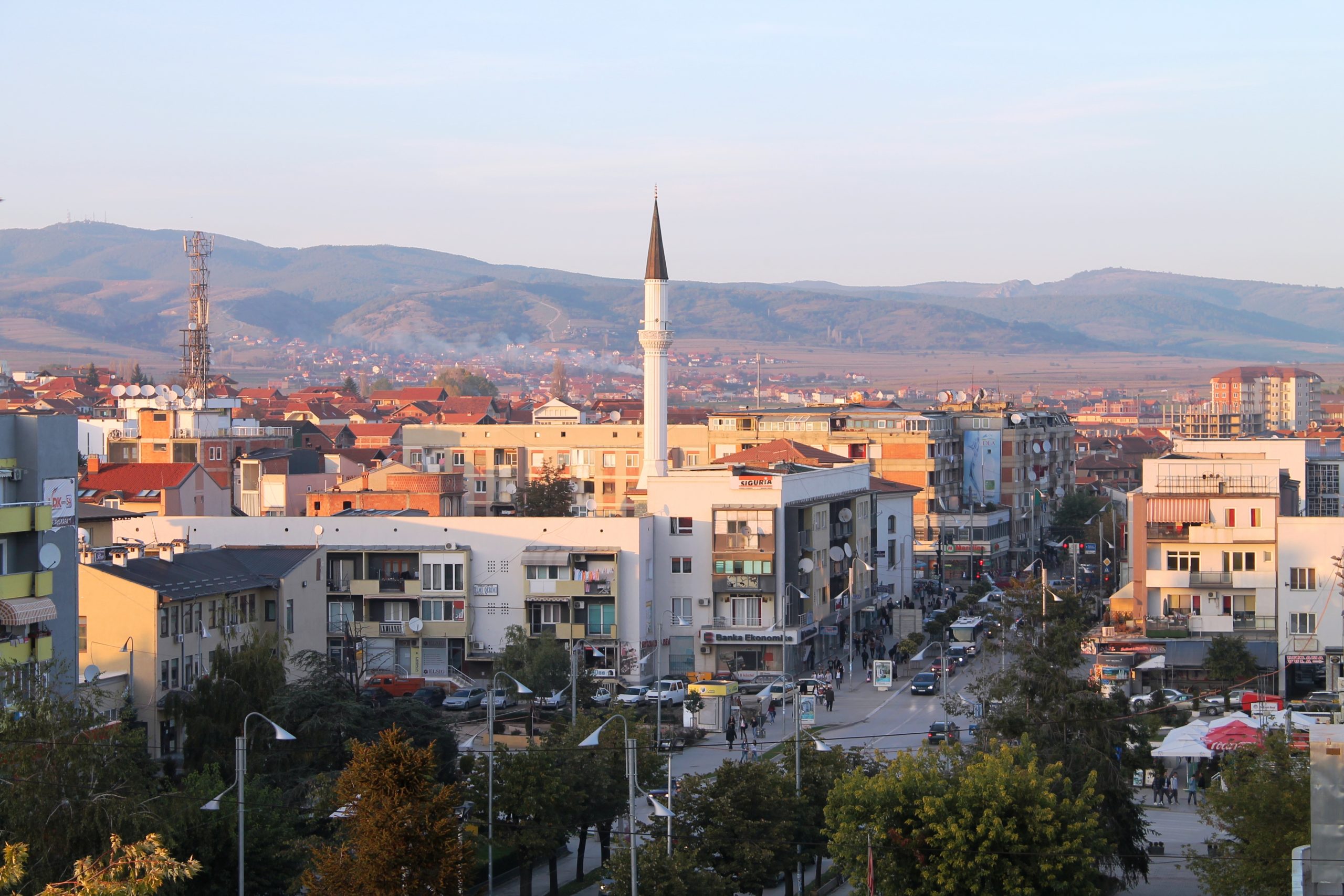
In this regard, the Municipal Development Plan (MDP) of Klina for the period 2025–2033 provides the strategic framework for guiding the sustainable spatial, economic, social, and environmental development of the municipality. Covering an area of 308.8 km², the municipality comprises one urban centre (the town of Klina) and 55 villages. Prepared in accordance with the Spatial Planning Law of the Republic of Kosovo, the Plan builds on a comprehensive assessment of Klina’s demographic, economic, environmental, and spatial conditions, translating its long-term vision into strategic objectives, sectoral priorities, and concrete actions.
Adopting an integrated and participatory planning approach, the MDP coordinates investments and policies across key sectors, including land use, housing, infrastructure, transport, economic development, public services, environmental protection, and cultural and natural heritage. By promoting balanced territorial development and sustainable resource management, the Plan aims to strengthen local competitiveness, improve the quality of life of residents, and ensure resilient and inclusive development across the municipality throughout the 2025–2033 planning period.
The Plan aims to achieve sustainable and inclusive development through investments in the economy, infrastructure, the environment, and improvements in the quality of life of its citizens through following Strategic Objectives:
- Public Infrastructure: Improving the quality and inclusiveness of education, enhancing healthcare and social services, and increasing the efficiency of public administration through digitalization and decentralization of public services.
- Social Infrastructure: Developing and maintaining social infrastructure, promoting culture, arts, and sports, and creating public spaces that strengthen social interaction and community cohesion.
- Economic Development: Building a sustainable and diversified economy with a focus on agriculture, agro-processing and manufacturing industries, tourism, and services. Key priorities include supporting small and medium-sized enterprises (SMEs), start-ups and innovation, strengthening the link between education and the labour market, and increasing employment opportunities.
- Technical and Transport Infrastructure: Improving water supply systems, wastewater treatment, waste management and recycling, upgrading the road network, and expanding public transport services to enhance accessibility and mobility.
- Energy and Telecommunications: Modernizing the energy network, diversifying energy sources, expanding public lighting, and extending internet coverage to all settlements in order to support economic and social development.
- Environment: Protecting and ensuring the sustainable use of natural resources, conserving biodiversity, safeguarding agricultural land, improving waste management and recycling systems, and strengthening disaster risk prevention and management capacities.
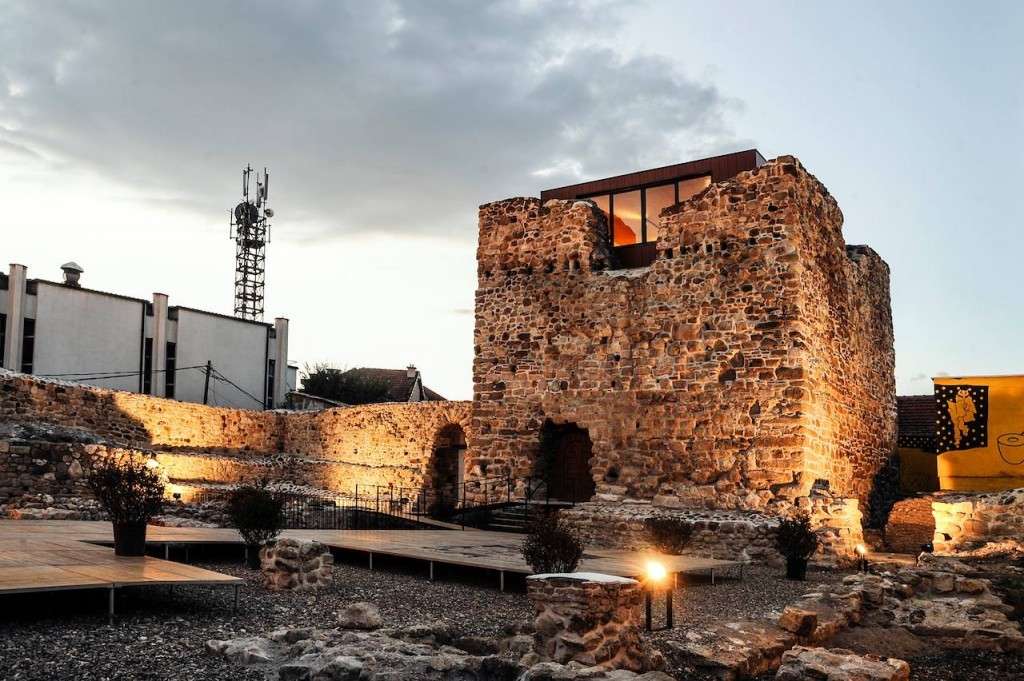
- Natural and Cultural Heritage and Tourism Assets: Preserving, documenting, and promoting natural and cultural heritage, while developing nature-based, rural, and cultural tourism through the sustainable use of local tourism assets.
- Housing and Settlements: Promoting high-quality and sustainable housing, and developing compact, multifunctional settlements equipped with comprehensive technical, public, and social infrastructure.
- Land Use: Ensuring the rational use of land through the compact settlement model, respecting development boundaries, and protecting and consolidating agricultural land, thereby balancing urban development with the conservation of natural resources.
These strategic priorities aim to strengthen economic competitiveness, improve infrastructure and public services, protect the environment and cultural heritage, and create better conditions for sustainable development and improved quality of life for the citizens of the Municipality of Klina.
The Official Document Link (in Albanian): plani zhvillimor komunal klinË 2025-2033
Related Maps: Municipal Development Plan (MDP) Klina 2025-2033_Maps